Coastal Micro-Seasons: The Basque Farm-to-Harbor Renaissance
Beyond Michelin dining stars lies a grassroots culinary movement rooted in deep Atlantic waters, ancient orchards, and community charcoal hearths.
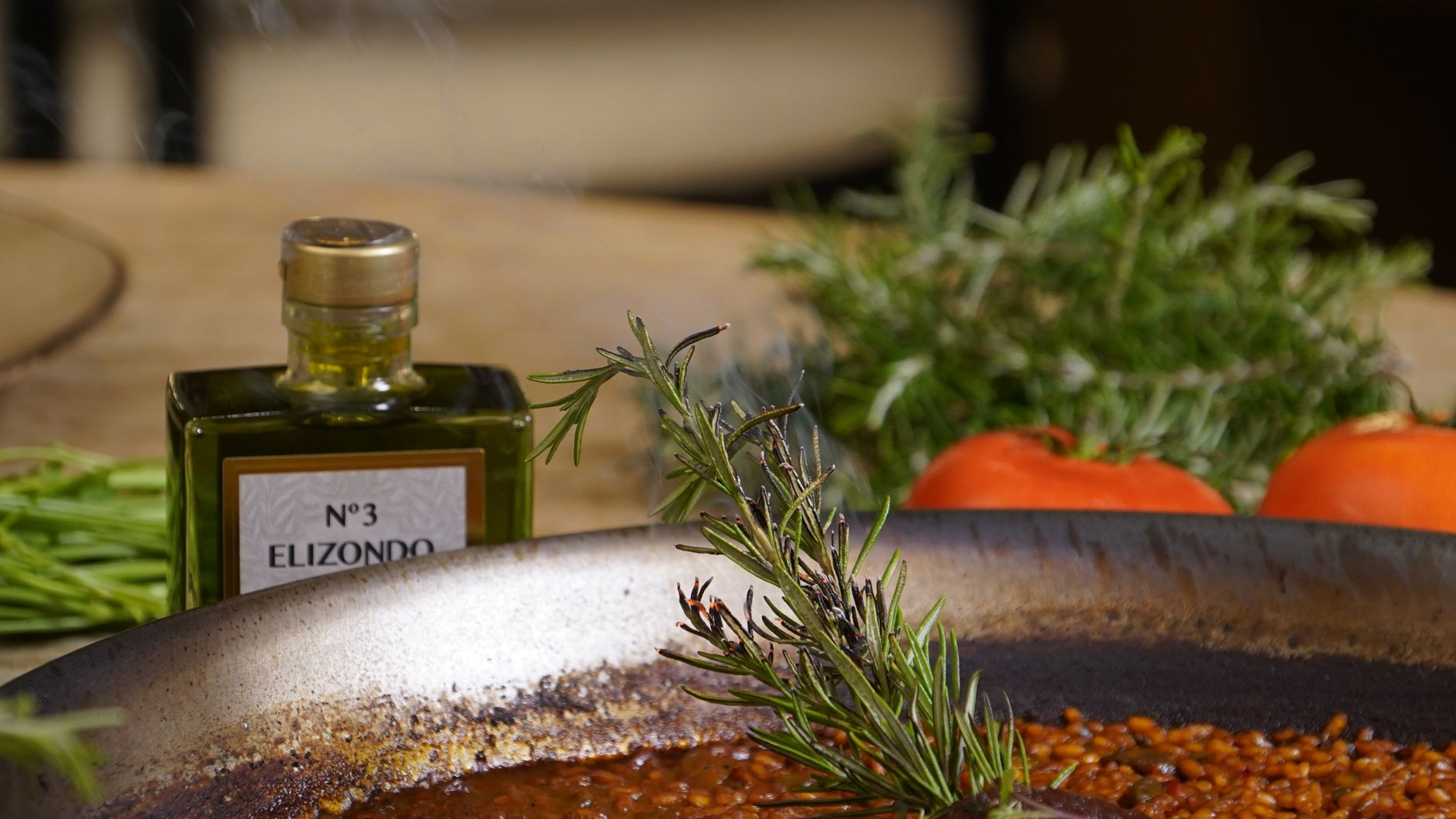
In the fishing village of Getaria, the scent of burning holm oak charcoal drifts through cobblestone streets at eleven in the morning. Outside old stone houses, iron grates (parrillas) are prepared to receive the morning’s catch of line-caught turbot.
While San Sebastián has earned worldwide renown for experimental gastronomy, the real soul of Basque cooking is found along the windward coast and the misty green hills of the interior. Here, cooks and purveyors operate on hyper-localized micro-seasons that can change in a matter of days depending on rainfall and ocean currents.
The Rebirth of Indigenous Apples & Txakoli
High on the slopes above the sea, vineyards of Hondarrabi Zuri grapes cling to steep gradients. These vines yield Txakoli, a crisp, slightly effervescent white wine that cuts cleanly through the richness of oily grilled fish. Parallel to the wine culture is the revival of the ancient sagardotegi (cider houses).
For decades, commercial orchards had replaced heritage Basque cider apples with sweeter, high-yield varieties. Today, a cooperative of young orchardists is replanting nearly extinct sour cultivars like Errezila, fermenting wild-yeast ciders without sulfites or added sugars.
“We do not invent recipes. We simply listen to what the ocean tossed into our nets at dawn and what the soil produced after three days of Atlantic rain.” — Arantza Goikoetxea, Harbor Cook
The Ritual of Gastronomic Societies
Central to Basque food heritage is the txoko—private gastronomic clubs founded in the nineteenth century where members gather to cook, debate, and share meals away from commercial pressures. In these communal kitchens, recipes are not guarded as corporate secrets; they are refined through collective practice and passed from generation to generation.
Culinary Field Recommendations
- Prime Season: May through July for line-caught bonito and baby squid (chipirones); September for apple harvest and wine pressing.
- Tasting Protocol: Sample grilled turbot with only olive oil, sea salt, and a splash of txakoli vinegar. Simplicity is the pinnacle of flavor.
- Regional Base: Stay in small coastal farmsteads (caseríos) to observe dawn harbor operations and evening harvests.
To eat well in the Basque Country is to realize that true culinary luxury does not stem from exotic imports, but from relentless dedication to immediate terroir, seasonal patience, and the warmth of the communal hearth.