High Altitude Solitude: Architecture Above the Dolomite Treeline
An examination of contemporary alpine architecture that honors severe geological conditions while reducing ecological footprint.
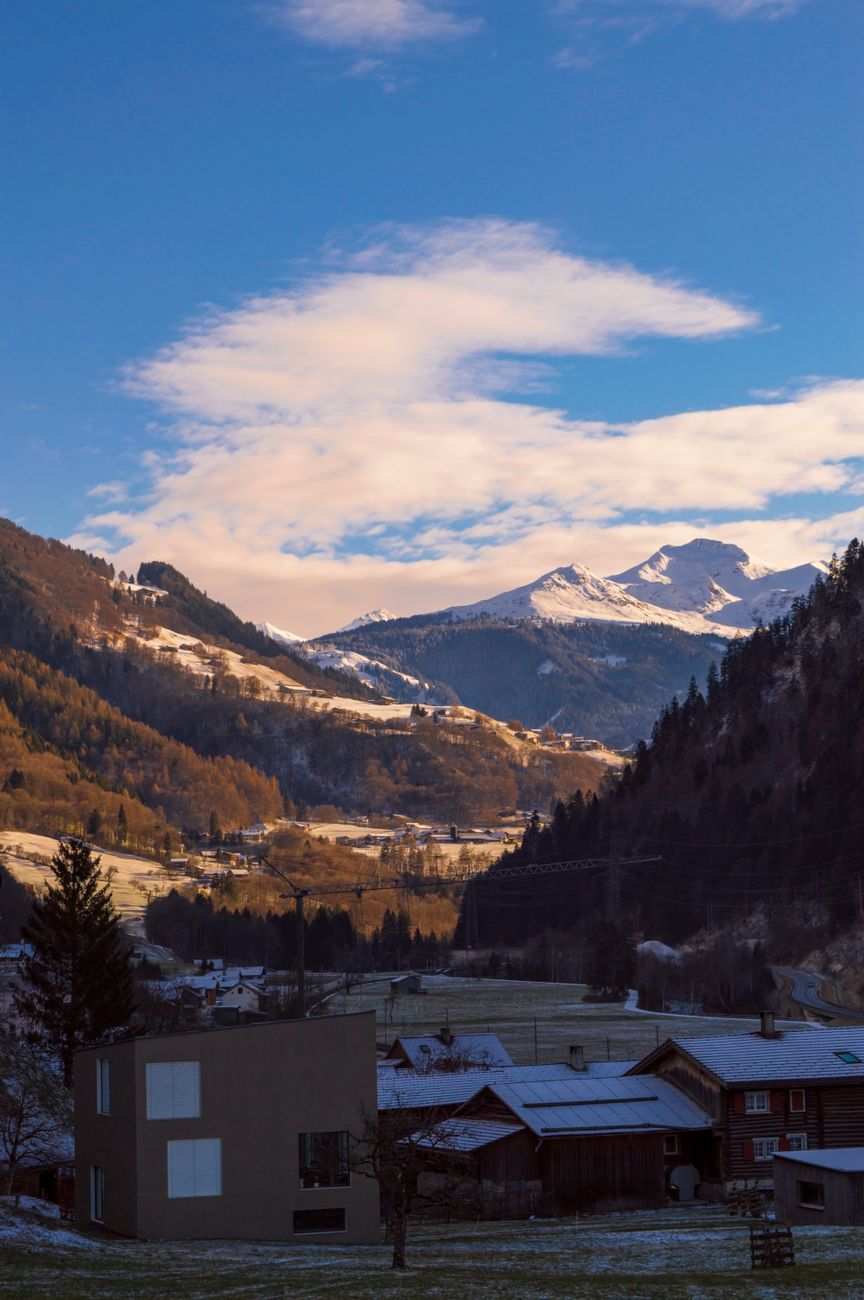
Perched above 2,400 meters in the Pale di San Martino, wind speeds routinely exceed 120 kilometers per hour in winter. At this altitude, building is not an exercise in vanity; it is an exercise in alpine survival.
For over a century, traditional alpine huts (rifugi) consisted of heavy stone walls and small shuttered windows designed purely to keep out frost. In recent years, however, a new generation of South Tyrolean and Trentino architects has emerged. Rather than copying historical chalets or imposing glass megaliths, they are creating low-slung, aerodynamically contoured wooden pavilions that sit upon the rock like natural geological outcrops.
Sustainably Harvested Larch & Geothermal Harmony
The core material of this architectural renewal is local mountain larch. Known for its high resin content, untreated larch naturally develops a silvery-gray patina when exposed to solar radiation and snowmelt. Within five years, a new structure visually dissolves into the surrounding dolomite limestone cliffs.
“When building in extreme environments, you cannot import urban aesthetics. Every beam must be light enough for cable car transport or helicopter assembly, and every joint must withstand thermal expansion.” — Matteo Bernardi, Architect
Modern alpine refuges are increasingly autonomous. Vacuum-tube solar collectors embedded into south-facing gables supply heating, while greywater reclamation systems allow remote lodges to operate for months without depleting fragile mountain aquifers.
The Experience of High-Altitude Silence
For visitors, staying in an architecturally sensitive alpine refuge offers a sensory cleanse. As the last cable cars descend in the late afternoon, the valleys below are shrouded in blue dusk. Up above, the sheer verticality of the peaks combined with the warmth of aromatic larch wood interiors creates an intimate shelter against the vast cosmos.
Editorial Guidelines for Mountain Retreats
- Acclimatization: Spend at least 24 hours at intermediate elevation before ascending to ridge refuges.
- Equipment: Sturdy Vibram-soled mountaineering boots and windproof layers are indispensable even in mid-July.
- Environmental Etiquette: Carry out all personal refuse; strictly remain on designated trails to preserve fragile scree vegetation.
As the climate warms and low-lying valleys face hotter summers, the high mountains offer not just respite, but a profound blueprint for how humans can inhabit severe landscapes with lightness, humility, and grace.